I did not finish the book. It seemed an endless list of name dropping. I may get back to it.
Ninth Street Women (book)


Walter Logeman: Journal
I did not finish the book. It seemed an endless list of name dropping. I may get back to it.
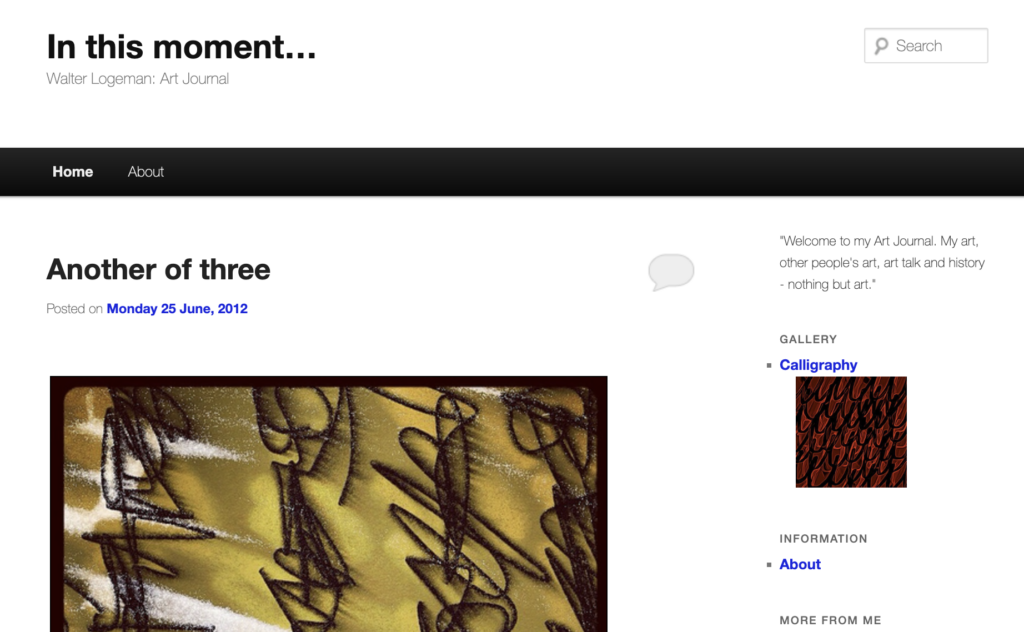
I tried to amalgamate my art blog, “In this Moment…” http://www.walterlogeman.com/art/ with this journal… years ago. Its only partially worked. However he old blog partially exists on The Internet archive. https://web.archive.org/web/20120625192038/http://www.walterlogeman.com/art/.
It looks ok, I’m nostalgic:
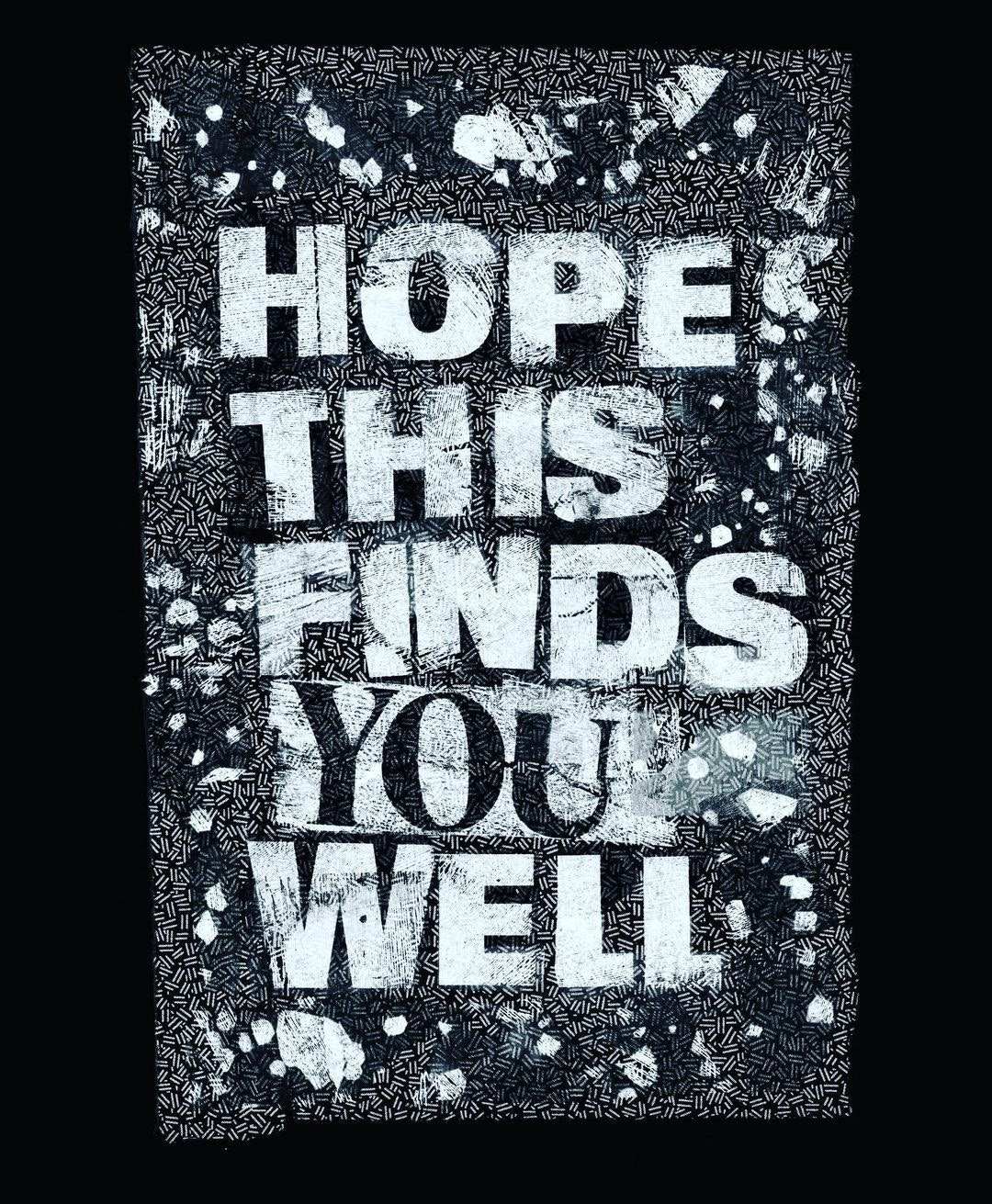
I enjoy Austin Keon’s stuff — one of the newsletters I have not unsubbed from.
The thing is I get inspired. I’d love to do collage like that – I carry around a paste stick — and use it too!!
But
Inspiration is a distraction.
Keep the focus!
We’re in lockdown and I’m into a burst of work on the blog. Addictive. In one of the first posts I took all morning to sniff out art stuff:
https://psyberspace.walterlogeman.com/2021/9349/

Art
I’ve just sent up two posts, one on van Gogh and another on Egon Schiele, they are related. Without Van Gogh, no Scheile.
I like the look of this book.
Leonardo’s Brain: Understanding Da Vinci’s Creative Genius
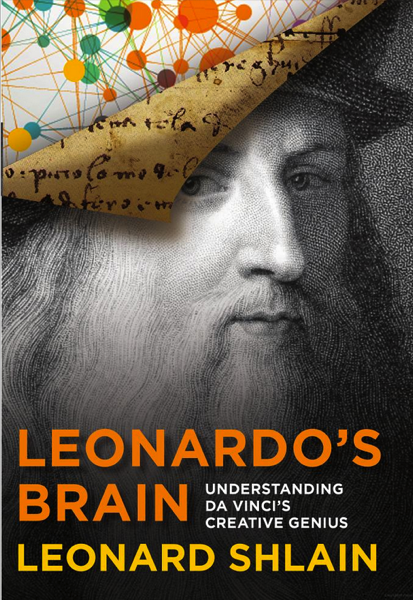
Have looked inside on Amazon. I’ll get it one day. Have a few more on my plate right now.
Brain pickings has more its no 10 on the list.
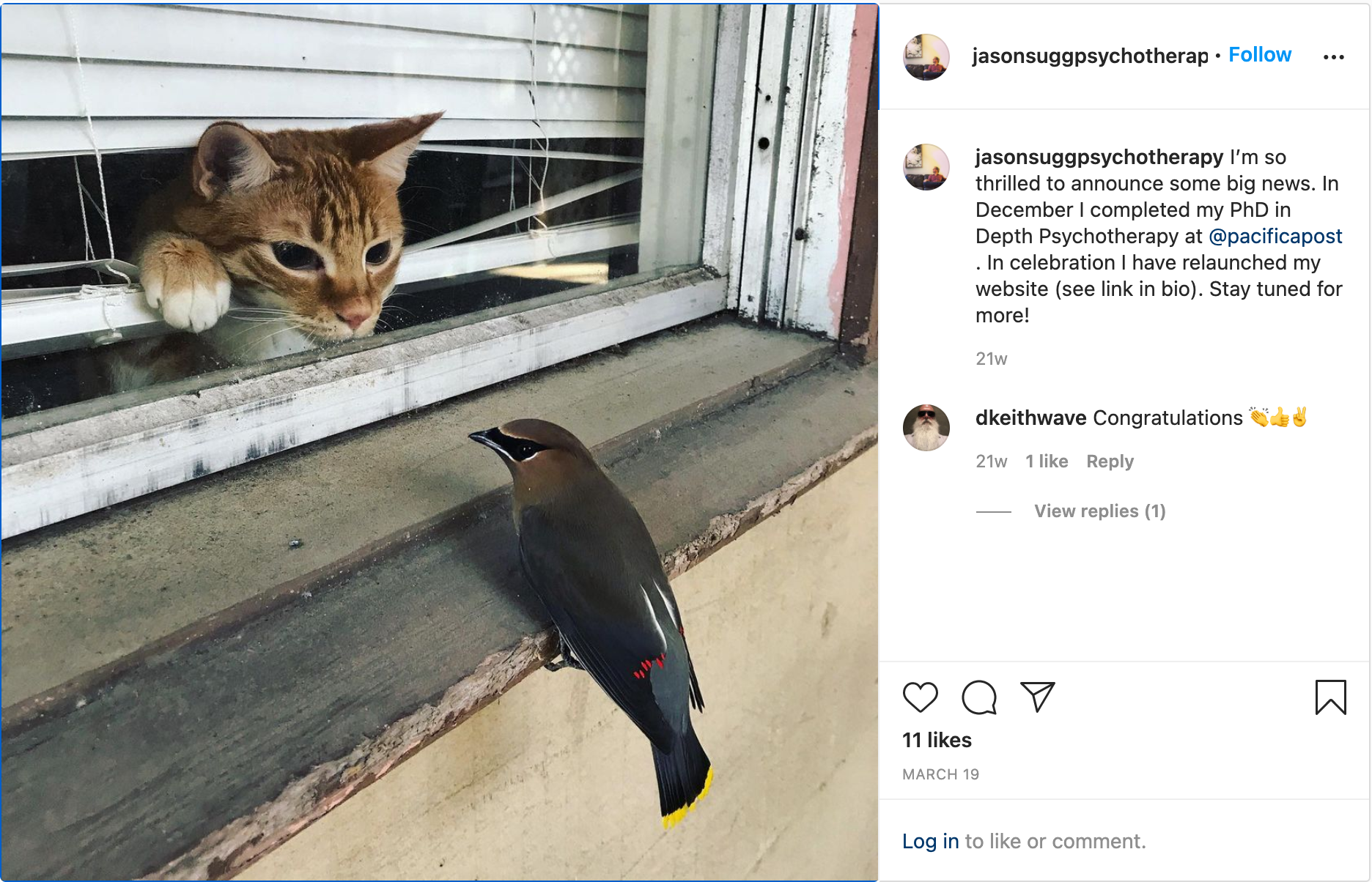
Small Graces Mapping a Route of Beauty to the Heart of the World
by Jason Sugg
Submitted in partial fulfilment of the requirements for the degree of
Master of Arts in Counseling Psychology
Pacifica Graduate Institute
14 February 2012
Has a whole section on Participation Mystique and I-Thou.
Well researched.
Below is an enticing quote. The reason I’m attracted to this work is that I think that the very relationships we are discussing here, participatory, with the ego dropped, with heightened awareness of self and other, are also the relationships that are needed between therapist and client, and partners in a relationship. It’s not well grasped: they are vital to knowing each other. We can’t know others at this level of consciousness without participating in the relationship with full role reversal. Continue reading “Small Graces: Mapping a Route of Beauty to the Heart of the World”
When I finished my ThousandSketches project I wanted to continue making sketches and blogging them. I created In this moment… My art blog In addition to my sketches I added thoughts about art, and a lot of links to art I like and bits of info about artists.
But really it is all Psyberspace! I may as well put it all here. Maybe I could just use ifttt to create links here when I post something on In this moment…. I’ll try that.
__________________________________________________
Yes that works! The test post actually appears before this one.
185 Chairs – Christchurch a set on Flickr.
I found this a moving Exhibit. In remembrance of people who died in the Christchurch earthquake – on the site where the Oxford Street Baptist Church used to be. I recall campaigning for the church not to be demolished to widen the street in the 80s!
There was a note suggesting to sit in a chair. I could not make that step of role reversal.

Brassai (Gyula Halasz) Open Gutter From “Paris by Night” (1933)


